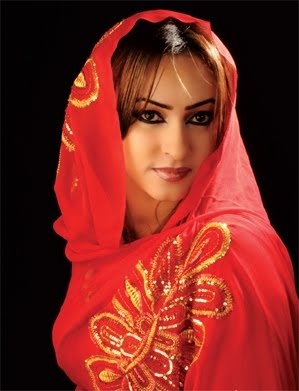
Rasha in traditional Sudanese Toub

lunedì 17 febbraio 2014

Government have to be blamed!!!

UN report points finger at Sudan over UNAMID attacks


February 16, 2014 (WASHINGTON) – A United Nations committee that is tasked with monitoring compliance with Sudan-related sanctions has pointed fingers at Khartoum for attacks that took place on African Union-United Nations peacekeepers in Darfur (UNAMID) in the towns of Muhajiriya and Khor Abeche last year.

"Janjaweed groups almost certainly played a leading role in the most prominent attacks against UNAMID (in Khor Abeche on 13 July 2013 and in Muhajeria on 18/19 April 2013); the attackers fit the profile of some well-known Janjaweed elements. These groups have also been behind violent crimes against internally displaced persons, tribes and even, in some instances, the Government itself," reads the report prepared by the UN Panel of Experts on the Sudan established pursuant to resolution 1591 and transmitted to UN Security Council this week.

The report obtained by Sudan Tribune which has not yet been made public, analyzed the April 2013 incident in Muhajiriya following its recapture from the rebel group of Sudan Liberation Army of Minni Minnawi (SLA/MM).

"At approximately 8.30 p.m. on 18 April 2013, between three and five 80 armed men in army uniforms forced entry into the UNAMID team site by firing at the gate lock. Once inside, they fired at United Nations civilian police personnel, who escaped unhurt. The bullets hit some of the installations, however. The attackers loudly asked why UNAMID had not stopped the killing of government soldiers during the SLA/MM attack on Muhajeria. Although this accusation had no merit, because it is not the role of UNAMID to protect the national armed forces, it does suggest a perceived motive of “retaliation” on the part of local government forces for this particular short attack of 10 minutes. The assailants escaped unharmed," the panel wrote.

"At approximately 1.10 a.m. on 19 April 2013, a more determined attack lasted two hours. A group of armed persons attacked the team site with assault rifles and vehicle-mounted machine guns. While NIBATT34 repelled the attack, one soldier was killed and two more injured. The attackers suffered one confirmed fatality. At about 8 a.m., a group of vehicles with mounted machine guns surrounded the team site; the occupants were shooting unaimed shots into the air. The assailants, accompanied by some allegedly government soldiers, entered the UNAMID team site and demanded to talk to the commander. Some witnesses stated that the leader of the group was extremely aggressive towards the commander and asked him whether he was the commander who had killed his men. He demanded compensation of 250,000 Sudanese pounds ($56,800) or he would launch a new attack and destroy the team site. UNAMID reinforcements arrived during the discussions and the situation was defused. The aggressors left the team site".

Shortly afterwards, the then East Darfur state governor Abdel-Hamid Musa Kasha visited UNAMID to assure them that there was no need to pay the blood money demanded and that the incident would not be repeated.

The report says that the panel got hold of evidence showing that the attack was carried out by a group known as "Savana" that is led by a man known as Mohamed Adam.

"The group has previously received arms and training from the Government and participated directly in the recovery of Labado and Muhajeria. There is further evidence to suggest that the Government has assigned the group responsibility for controlling 11 areas in Southern and Eastern Darfur, including Donkey Dresa, Um Kasola, Ngunya, Graida, Labado, Shearia, Muhajeria and Assalaya. The Panel is almost certain that this attack was carried out by Savana members, with the knowledge, acquiescence and/or support of the national armed forces".

The committee asserted that the involvement of the government in the attack is "highly probable" because

1. The Government was in tactical control of the local Muhajeria area at the moment of the attacks;

2. Government soldiers visited the UNAMID team site just hours before and after the attacks;

3. The Government was aware that the UNAMID team site was under strength because the Government had delayed the planned troop rotation before, and reinforcements during, the attacks;

4. It is highly probable that the government soldier who sought refuge within the UNAMID team site provided intelligence as to the operational environment there;

5. The strength and duration of the attacks could not have gone unnoticed by government security forces in the immediate area of the UNAMID team site;

6. The issue of blood money was raised by a national armed forces officer;

7. The attacks were implicitly accepted by the local government representative (Wali), who gave instructions that no blood money was actually required;

8. Neither the Special Prosecutor for crimes committed in Darfur, nor any other appropriate government investigative agency, has yet initiated any formal investigation;

9. The Government has to date failed to share any information on this case, the formal and informal requests made to it notwithstanding.

The second attack which took the form of an ambush in July 2013 occurred when a UNAMID patrol was attacked about 22 km from the team site at Khor Abeche. Eight UNAMID officers were killed and sixteen were wounded of which "at least two peacekeepers were killed in cold blood".

"Although the Panel has strong information on possible or alleged names of the perpetrators, it has still to obtain independent confirmatory evidence. It is, however, highly probable that the assailants were members of a Janjaweed group".

The panel however, acknowledged that some Janjaweed groups may have been acting on their own in some instances but nonetheless blamed the government "because it is highly probable that it continues to arm, support, use or tolerate many of the Janjaweed factions".

"It is the responsibility of the Government to investigate and prosecute each of the crimes in which these armed groups are alleged to be involved. The Panel is unaware of any tangible result, other than some public statements, about the fulfillment of the Government’s obligations in this regard".

The panel also said it had no evidence linking rebel groups to the attacks on UNAMID during the reporting period.

Ali Kushayb, a Janjaweed leader charged by the International Criminal Court for alleged war crimes in Darfur, is being investigated by the panel for his recent activity in the restive region.

"He [Kushayb] reportedly gave an incendiary speech at a market in Southern Darfur late in January 2013, during which he reportedly stated that he was not just a Central Reserve Police commander but also a Janjaweed commander able to defend its Ta’aisha land and called upon Ta’aisha fighters to protect their land. Other witnesses stated that he was observed taking part in attacks in April 2013 on villages around Abu Jeradil, Central Darfur" the panel said citing Human Rights Watch (HRW) report released last summer.

The Sudanese government has previously detained the militia leader to try him on unspecified charges in 2007 & 2008 but released him for lack of evidence.

NEW DETAILS ON THE KILLING OF JEM DISSIDENTS

The report also shed new light on the killing of the leaders of a breakaway faction of the Darfur Justice and Equality Movement (JEM) last May including its chief Mohamed Bashar and his deputy, Suleiman Arko.

Bashar, who led a splinter JEM faction, was returning to Darfur from the Chadian capital before heading to Khartoum to start the implementation of a peace deal he signed with the government in Doha on April 6th.

At the time, the mainstream group led by Gibril Ibrahim said they were attacked by Bashar group inside the Sudanese territory, and stressed that the two leading commanders were killed during the clashes. The holdout rebels also pointed out that people captured after the fighting, are "defectors" from the movement and they will be tried before its courts.

The UN panel said that Bashar received a telephone call from Sudan’s National Intelligence and Security Services (NISS) "informing him that someone within his entourage was providing information to JEM and that an attack was imminent. The JEM informant, a Chadian, had provided logistical support (vehicles) to JEM when JEM was still a single entity".

But before Bashar could confront the informant, his group was attacked "by overwhelming firepower and so were unable to defend themselves effectively".

The witnesses who were interviewed by the panel agreed that Bashar and Arko were gravely wounded during the initial attack but were later executed along with four others. They also claimed that JEM captured between 28 and 32 members of JEM-Bashar and were told they will be tried as traitors.

The report pointed that they may be kept by JEM in areas of South Sudan and South Kordofan but that there is no confirmation that they are still alive.

The JEM attackers were identified by the witnesses to be Mohamed Yusuf Ibrahim (also known as Sultan), Mahdi Ismail (also known as Djabal Moune/Jebel Moon) and Fidiel Mohamed Rohema, who was the ground commander and was subsequently killed in action in November 2013.

The report said that during meetings with the Panel, the representatives of JEM were clear that the incident should be regarded as an internal JEM struggle in which the group applied its own “honour code” to an act of treason, rather than as an impediment to the peace process.

(ST)

venerdì 14 febbraio 2014

Bashir have to accord peace.

خطاب الحركة الشعبية لتحرير السودان (شمال) في الجلسة الافتتاحية لمفاوضات أديس أبابا، 13 فبراير 2014


02-14-2014 12:23 AM

خطاب الحركة الشعبية لتحرير السودان)شمال(


فى الجلسة الافتتاحية لمفاوضات أديس أبابا، ١٣ فبراير ٢٠١٤


سعادة الرئيس ثابو أمبيكى، رئيس الآلية التنفيذية الرفيعة للإتحاد الإفريقى


سعادة الرئيس عبد السلام أبوبكر والسيد مبعوث الامين الام للامم المتحدة


السيد هايلى منكريوس، ممثل الايقاد سعادة ممثل الحكومة الاثيوبية


المراقبين


رئيس وفد الحكومة السودانية إبراهيم غندور


أعضاء الوفدين


السادة و السيدات من الصحافة والاعلام


السيد الرئيس أمبيكى أسمح لى مرة أخرى لتقديم تعازي الحركة الشعبية العميقة على رحيل آخر أنبياء السلام والتصالح والعدالة الاجتماعية والديمقراطية فى إفريقيا، ورمز نضال إفريقيا والإنسانية الرئيس الأسبق للمؤتمر الوطنى الإفريقى الرئيس نيلسون مانديلا. إن شجاعته وإيمانه ببناء مجتمع يقوم على المواطنة المتساوية، بعيداً عن التفرقة التى تستند على العرق والدين هما أكثر ما يحتاجه سودان اليوم. ومن رؤيته وشجاعته وإصراره يستطيع السودانيين أن يستخلصوا دروساً مهمة، مع الأخذ فى الإعتبار خصوصية ظروفهم وتأريخ السودان العظيم، الذى كان جزءً من حضارة وادى النيل، أحد أقدم وأعظم الحضارات المعروفة التى اضافت مساهمة كبيرة لتقدم الحضارة الانسانية.


إن السودان يمر بوضع فريد للغاية، ونحن نأتى الى محادثات السلام مرة أخرى متفهمين أن المطلوب هو رؤية جديدة وموقف جديد من أجل العبور ببلادنا الى عهد جديد، الى السلام العادل والديمقراطية والعدالة الإجتماعية، ويسمح بإنبثاق إجماع وطنى يقودنا الى مشروع متفق عليه للبناء الوطنى.


أود أن أؤكد فى إفتتاح هذه المفاوضات أن الحركة الشعبية (ش) تؤمن بالتسوية السلمية وليس العسكرية. كما أننا نعتقد أن الإجماع القومى هو السبيل الأفضل لتحقيق التسوية السلمية الدائمة. لقد حان الوقت ليبتعد السودان من تعريف نفسه بالمحددات الإثنية والدينية وأن يدخل فى طرح سياسي وإجتماعي جديد قائماً على الوحدة فى التنوع مبنياً على السمات المشتركة للشعب. إن التنوع فى السودان يمثل سمة إيجابية لمواطنيه، ولن تتحقق وحدة السودان إلا بإحترام التنوع.


لقد شجعتنا الإشارات الإيجابية من إخواننا وأخواتنا فى الجانب الآخر من هذه المفاوضات، على إعتبار أن هذه اللحظة لحظة للتغيير، إنها لحظة لإتباع منهج كلي، إنها لحظة لتحول ديمقراطي وللعدالة الإجتماعية، لحظة لإحترام حقوق الإنسان والحق فى المواطنة المتساوية. لذلك نعتقد أن الطرفين يمكنهما تحويل هذه السانحة الى حقيقة من خلال مخاطبة المآساة الإنسانية فى المنطقتين، على أن يكون هذا نموذجاً يمكن تطبيقه فى دارفور وشمال كردفان. فمن دون وضع حد للمعاناة الإنسانية نتيجة منع وصول المعونات للسكان الذين فى أشد الحاجه لها، ومن دون وضع حد للقصف الجوي والأرضي للأبرياء، ومن دون إطلاق سراح أسرى الحرب والمعتقلين السياسيين، ستصبح جديّة هذه المفاوضات وجدواها محل تسآؤل من السودانيين خاصة فى مناطق الحرب. لذلك يجب أن لا تخضع قضية المعونات الإنسانية لشروط سياسية، كما أننا مستعدون دوماً وبنفس القدر لحل القضايا السياسية.


إن حل القضايا الإنسانية سيخلق جواً مناسباً لحل القضايا السياسية والأمنية، وكما أعلنت الحركة الشعبية (ش) مراراً، لقد حان الوقت لتطبيق إتفاق أديس أبابا الإطاري بتاريخ 28 يونيو 2011، الذى من شأنه أن يقود لعملية دستورية قومية وحكومة إنتقالية تحظى بدعم أغلبية كبيرة من القوى السياسية والمجتمع المدنى المعارض والمؤيد.، وهذا ما يتطلبه قرار الإتحاد الإفريقي وقرار مجلس الأمن رقم 2046.


إن وقف الحرب فى النيل الأزرق، جبال النوبة، شمال كردفان ودارفور، الى جانب مخاطبة جذور أسبابها فى مؤتمر قومي دستوري هما بمثابة الحل لأزمات السودان السياسية والإقتصادية. إننا إذ نتحدث هنا اليوم، فإن الحكومة تستخدم 70% من الميزانية القومية لشن الحرب على مواطنيها، الأمر الذى قاد الى تداعيات خطيرة وجرائم حرب. ولن يتمكن السودان من إعادة بناء علاقات قومية أو إقليمية أو دولية صحيّة إلا بإيقاف هذه الحروب والقبول بتحول ديمقراطى كامل.


إننا نؤمن بأن إستمرار الحروب فى مناطق السودان المهمشة سيضر بمستقبل الوحدة فى السودان كما حدث من قبل فى قضية جنوب السودان. لكل ذلك فإننا ندعو حكومة السودان للقبول بمنبر واحد لإنهاء الحرب مع الجبهة الثورية السودانية. كما أننا نعتقد أن الرئيس تامبو أمبيكى، رئيس الهيئة الإفريقية رفيعة المستوى ومحمد بن شامباس الممثل الخاص المشترك للأمم المتحدة والإتحاد الإفريقي لدارفور ورئيس بعثة يوناميد والوسيط المشترك، يمكنهم العمل سوياً لتسهيل تكوين المنبر الجديد مع دعم المجتمع الإفريقي والدولى.


لقد حضرت الحركة الشعبية (ش) الى أديس أبابا بقلب وعقل مفتوحين وبالإرادة السياسية الضرورية للوصول مع إخواننا وأخواتنا فى حكومة السودان لحل ودى ونهائي للقضايا الخطيرة التى أقعدت دولتنا من أن تكون، مرة أخرى، أمة عظيمة.


ياسر عرمان


نيابة عن الوفد المفاوض


للحركة الشعبية لتحرير السودان (ش)


مفاوضات أديس أبابا


13 فبراير 2014

lunedì 10 febbraio 2014

No peace no confrance..........!!!

South Sudan rebels boycott peace talks over non implementation of agreements


February 10, 2014 (ADDIS ABABA) – The South Sudanese rebels of the Sudan People’s Liberation Movement/Army in Opposition (SPLM/A In Opposition) has announced to boycott the second round of the peace talks with the government scheduled for Monday, 10 Februar

The rebels led by the former vice-president, Riek Machar, has accused the government led by president Salva Kiir of violating the cessation of hostilities agreement which would have paved the way for the next phase in the process.

In a press statement issued by the head of the rebels delegation, Taban Deng Gai, from the Ethiopian capital, Addis Ababa, the SPLM/A In Opposition said all the political detainees should have been released to join the peace process in Addis Ababa.

"The release of the eleven political detainees has not been honoured as provided for in the signed ‘Release of Political Detainees Agreement’. While detention of seven (7) of the detainees has been shifted from Juba to Nairobi, Kenya, four (4) of them are still under detention to-date," partly reads the statement.

He said they should be allowed to join the political dialogue and choose which side to join or stay neutral.

Kenyan has reportedly succumbed to president Salva Kiir who prevented from leaving Nairobi for Addis Ababa the 7 recently released leaders despite their official invitation to the talks by the mediators of the Intergovernmental Authority on Development (IGAD).

The rebels further criticized the government for ‘ignoring repeated requests by the International Community, including the African Union, the United Nations, the European Union and the Troika – US, UK and Norway.’

The rebels also called for an inclusive political dialogue and reconciliation process which they said should include representatives from various sections of the South Sudanese society, including ‘SPLM party leaders, elected representatives of the people, the civil society, religious leaders and intellectuals.’

The statement reiterated the demand for the withdrawal of the Ugandan People’s Defence Forces (UPDF) from South Sudan as a pre-condition for the resumption of the second round of the peace talks per the Cessation of Hostilities agreement.

The rebel chief negotiator therefore announced that they will not participate in the second round of the peace talks until all their demands which are stipulated in the agreements are implemented, including the total freedom and release of all their colleagues in Nairobi and Juba.

"In the light of the forgoing evidence, we are hereby informing all parties, the International Community, the IGAD Peace Mediators, the African Union and the United Nations, that we are abstaining from participating in the next round of peace talks, which are scheduled to take place in Addis Ababa today 10/2/2014...," the statement further said.

Both the South Sudanese government and its partner in the war, Uganda, have downplayed the implementation of the withdrawal of the UPDF, saying until stability returned to South Sudan.

Thousands of people died and nearly a million displaced following the 7-weeks violence which erupted on 15 December initially between units of the presidential guards in Juba.

(ST)

Kenya refuses to allow former detainees to attend Addis Ababa talks: rebels


giovedì 6 febbraio 2014

It was the South Sudan asked the Unganda to help.

South Sudan says Ugandan military support was “legitimate”


February 5, 2014 (JUBA) – The South Sudanese government has commended the military support provided by neighbouring Uganda, crediting it with helping quell a spiralling rebellion in the country.

Authorities have continued to maintain that Uganda’s intervention in the conflict was legitimate, despite growing regional outcry.

“The friends who extend helping hands at the opportune time are the genuine friends. The assistances the government of the Republic of South Sudan received from the governments and people of Kenya and Uganda demonstrated the strength of relations we have with these countries”, interior minister Aleu Ayieny Aleu said in an address to the South Sudan police service.

“They have repeatedly shown this to us. In the first and the second war with Sudan, they stood by our side and provided necessary assistance in terms of hosting our people as refugees and in terms of provision of humanitarian aides and physical protection”, Aleu added.

SOUTH SUDAN NOT AN ISLAND

Flanked by the minister of defence, Kuol Manyang Juuk and the minister of security in the office of the president, Mabuto Mamur Mete, Aleu repeatedly referred to Uganda as “a genuine friend” of the South Sudanese people.

“Uganda would have provided the support it has provided this government even if it were someone else in power, especially if it is the democratically elected government by the people of this country”, Aleu told attendees at a joint security session on Monday in the capital, Juba.

“Uganda is a genuine friend and so their support is legitimate. South Sudan is not an island. We are part of the region and a conflict here affects them (neighbouring countries)”, Aleu added.

Mete, who also spoke at the same function, said the session had been called on behalf of the president who requested the three security officials to publicly acknowledge the role of the country’s security organs in helping quell unrest.

“Without you this country would have been thrown into anarchy. We have also come to remind you of the importance of our duties as provided in the constitution and to talk about unity within our ranks”, Mete said in a statement broadcast on South Sudan Television (SSTV).

Juuk said the unity within the police and the other organised forces, including the national army (SPLA), had helped prevent rebels from achieving their objectives.

Juuk echoed the statement of the interior minister that the military support from Uganda was completely legitimate, considering the level of threat rebel forces posed to national security.

“I think awareness of the threat posed by the rebels was quite strong and an intervention was within the bounds of the possible assistance”, Juuk said.

A senior intelligence officer from the SPLA told Sudan Tribune on Wednesday that a security assessment provided to the president, Salva Kiir, on 18 December, warmed that the army was too weak to singlehandedly quash the rebellion without outside support.

“It would have taken time for the government to contain this rebellion if we did not provide immediate information on the capability of the SPLA, especially after it became clear [there was] a mutiny”, the official said.

“We noticed that some sections of our forces were either not taking orders or joining the rebellion. We saw that in Mangat, Khor William and many other places on 16 and 17 December. Nobody was taking or giving orders”, he added.

Violence erupted in South Sudan on 15 December in Juba following clashes between rival tribe members within the presidential guards, with Kiir accusing former vice-president Riek Machar of masterminding an alleged coup attempt to overthrow the government.

Government forces loyal to Kiir, at times assisted by Ugandan troops, battled pro-Machar forces for control of strategic areas.

Uganda’s military intervention during the conflict has proved a contentious issue between the warring parties, with Machar’s rebel group accusing Ugandan troops of committing continuous violations of the cessation of hostilities signed on 23 January in the Ethiopian capital, Addis Ababa.

(ST)


martedì 4 febbraio 2014

HAPPY BIRTHDAY

HAPPY BIRTHDAY ISAM REMMEBER THE MORIS MINORE 1300 WE DROVE IN ROME TO GET YOUR MOTHER GIVE BIRTH ON THE 4TH FEB. 1982 .................dad.

lunedì 3 febbraio 2014

Alrakoba news.

بعد فشل خطاب الرئيس... هل تنجح التسوية؟!!. أما أن يتفكك نظام الانقاذ ونحافظ على وحدة ما تبقى من البلاد. أو يستمر النظام وتتفكك البلاد.


02-02-2014 11:33 AM

أبوذر علي الأمين ياسين


قد تبدو النهاية التي انتهي إليها خطاب الرئيس مدهشة للدرجة التي تجعل منها مادة للدراسات السياسية في عالم الالفية الثانية!!؟. اذ كيف تصنع الحكومة وحزبها الفرصة، وتروج لها بنجاح غير مسبوق، نجاح جعل حتى الباعة الجوالين وحافري الغبور والجميع يترك عمله وينتظر الخطاب المفاجأة. ثم ذات الحزب وحكومته يضيعون الفرصة التي صنعوها من عدم في لمحة خطاب!!؟. الذي يجعل خطاب الرئيس مادة للدرس هو ليس مادة الخطاب وما طرحه، بل من طرحه!!؟. وكلا النقطتين تمثلان اضافة غير مسبوقة لعلم السياسة. فالمفارقة تبدأ وتنتهي في معادلة محورها الرئيس وليس البلاد ولا أهلها. كيف؟.


هل تذكرون وثيقة ويكيليكس التي قال فيها صلاح قوش لدينق ألور وزير الخارجية وقتها "... واستشهد الور بأن قوش قال ،،هل نترك بلداً كاملاً يدمر بسبب شخص واحد،،فساله الور من تعني؟ فقال له قوش الرئيس، فقال له الور الأفضل أن تخلع سترتك ربما يكون فيها جهاز تنصت...". هل تذكرون هذا المقطع. حسناً وقتها كان الهم حتى داخل الحكومة وحزبها هو التخلص من فرد لصالح الجميع والبلاد (وهم هنا مجموعة على عثمان). المفارقة الآن أن العكس هو الذي يجري!!!. أن البلاد والجميع الحكومة والمعارضة كلها ستمضي في مشروع هدفه الأساس هو ضمان مخارجة الرئيس من المحاكمة الدولية!!، المستغرب هنا لا يتمثل في قلب الاوليات من الفرد لصالح الجميع – إلى الجميع لصالح الفرد. بل دخول حتى المجتمع الدولي وعبر مشروع أمريكي معلن للدفع بتسوية ترتكز على وضع الرئيس وليس وضع البلاد وأهلها!!!.


اللحظة الماثلة لأوضاع السودان ومستقبله توضع أننا بتنا أمام أحد خيارين لا ثالث لهما. أما أن يتفكك نظام الانقاذ ونحافظ على وحدة ما تبقى من البلاد. أو يستمر النظام في المحافظة على السلطة وتتفكك البلاد. على هذا الخط تدخلت أمريكا بخطة طريق أعلنها برنستون ليمان عبر مقال نشر على نطاق واسع (نعتمد هنا ترجمة ال سي إن إن .. تحت عنوان الطريق إلى حوار وطني في السودان) مفاتيح قراءة الخطة الامريكية تتمثل في أولاً: تأكيد ليمان أنه " من غير الوارد أن تبادر الأطراف السودانية بالشروع والاستمرار في عملية حوار من تلقاء نفسها.". ثانياً: تأكيده أن أي عملية حوار " .. ستحتاج لمخاطبة – الفيل الذي بداخل الغرفة- والذي يتمثل في هذه الحالة إدانة محكمة الجنايات الدولية للرئيس البشير وبعض كبار معاونية ..". أما المفتاح الثالث فيتمثل في (مفهوم الاجماع الكافي). ويسوق له ليمان على أساس " اذا شاركت كل المجموعات المعنية في عملية الحوار فإنه من المستبعد أن يتوصلوا إلى اجماع كامل، آخزين في الإعتبار التاريخ الطويل والإنقسامات العميقة بينها".


هناك ما يحتاج لبعض التوضيح لأهميته!. المبادرة جاءت من ليمان نفسه ولم ينتظر الآلية الافريقية بحسب ما طرح في مقاله أو كما أُعرِفها خريطة الطريق الامريكية لحل مشكلة السودان، وأطلقها كاتر ذلك أنها لم ترى النور رغم التلميح لشئ من قِبل أحمد ابراهيم الطاهر إلا بعد زيارة كاتر ومباركته واعلانه لها. وهذا يفيد أن المبادرة والتنفيذ يباشرهم الامريكان مع الحكومة ولا وجود لطرف ثالث. كما أن الفيل الذي بغرفة البشير يمثل أهم مرتكزات الدور والمبادرة الامريكية ذلك أن ليمان يبرر لها ب " حتى يتمكن السودان من تطبيع علاقاته بصورة نهائية مع المجتمع الدولي. أما مفهوم الاجماع الكافي فيوضحه المثال الجنوب أفريقي!!؟، أن الحل تم بين قوتين فقط هما المؤتمر الوطني الأفريقي والحزب الوطني " ولذا يتوجب على السودانيين أن يقرروا ما هي التركيبة الملائمة للأطراف التي يمكن أن تشكل – الاجماع الكافي- في سياق أوضاع بلدهم.


بقى أن نوضح أن المبادرة الأمريكية ذاتها تم التميهد لها بجملة أدوار منها ما قدمته مجموعة الازمات الدولية والتي رأت في تقريرها المعنون (السودان: إصلاحات رئيسة أو مزيد من الحرب) بتاريخ 29 نوفمبر 2012م " العقبة الرئيسة – وإن لم تكن الوحيدة- هي: الرئيس البشير الذي تمادى في تركيز السلطة في دائرة صغيرة من المسؤولين الموثوق فيهم، وهو غير راغب في التنحي. وإذ يأمل كثيرون في تغيير النظام عن طريق انقلاب، فإنهم لم يأخذوا بعين الاعتبار المخاطر المتربة على ذلك". ثم يحدد تقرير الازمات الدولية الهدف بوضوح وهو " ...ينبغي إذن، أن يكون الهدف هو انتقال متحكم فيه نحو حكومة تضم، ولكن لا يهمين عليها حزبه (أي الرئيس) حزب المؤتمر الوطني. قد يرغب البشير في سلك هذا الطريق إذا ما خلص إلى أن احتمال تزايد الاضطرابات، أو حتى وقوع أنقلاب، بات وشيكاً، ولكن فقط أذا ما قدمت له الحوافز المناسبة إليه.".


الورقتان مقال ليمان وتقرير الازمات الدولية بمتناول يد الجميع . وقد تناولت خطة ليمان كل التفاصيل الموضوع والاطراف والاطار الزمني والمتابعة وحتى الادوار الخارجية وحددت حتى الاطراف التي يجب أن تشارك في الحوار ولكن على نحو فيه تعميم يمثل دافع لهذه القراءة.


بالطبع لا يمثل خطاب الرئيس موضوعاً أو حتى قضية. لكن الحدث ذاته هو الأهم ويمكن أن يكون هو المفاجأة. فالحملة التي سبقت الخطاب كانت عالية الاداء ونجحت في استثارة الجميع وشد انتباههم. لكن الدعوات كانت انقائية وهي التي تحمل دلالات عبرت عنها بعض ردود افعال القوى السياسية والمسلحة تحديداً. والدعوات هي التي تستدعي طرح سؤال الحل وما اذا كان يرتكز على مآل الرئيس أم مآل البلد وشعبها؟!.

التحضير الذي سبق خطاب الرئيس والأهمية التي صور بها نسفته تماماً الدعوات التي وجهت بصورة فيها حرص كبير على الاهتمام بمشاركة البعض، وعبر الدعوات ذاتها تزهيد البعض، وأهمال الكثيرين أهمهم على الاطلاق الحركات المسلحة. فاذا وجهت الدعوات في وقت واحد وبمستوى واحد ومن مصدر واحد وشملت الجميع. كان ذلك سيكون دافعاً يرجح سقف التوقعات التي رفعها أهل المؤتمر الوطني كثيراً وبحرص غير مسبوق، وسيرفع حاجب عدم الثقة بين الحكومة وحزبها والآخرين، وكان سيبث طمأنينة مطلوبة وسط جماهير الشعب التي اهتمت كما لم تهتم من قبل بحدث الخطاب. لكن الذي حدث تمثل في محدودية الدعوات على من هم بالخرطوم، بل لم تشمل جميع من بالخرطوم من أحزاب مسجلة ومعترف بها (ولو اسمياً).


فخطاب الرئيس جاء خطوة هدفها ليس ماهية المبادرة وأفقها. بل هندسة الاطراف مسبقاً، وكأنما الدعوة جاءت ليقول هؤلاء معنا وعلى الآخرين تجميع شتات من هم معهم. بل حدث الخطاب مثل انتكاسة كبيرة وفرض صعوبة أكبر، كونه صور المشاركين وكأنهم هم من يثق فيهم الرئيس البشير بتوفير (مخارجة له) من الجنائية الدولية أو حتى المحاكمة الخارجية، مما يدفع بفشل كل المبادرة قبل اطلاقها. فبالضرورة لن تكون الحركات المسلحة متسامحة تجاهه في هذا الموضوع، أو هكذا هو الافتراض، ولكن أذا كانت كل التسوية والحل سيؤسس على مصير الرئيس كان الأوفق وفي هذا الظرف بالتحديد هو توجيه الدعوات للحركات المسلحة جميعها، ولو لم تشارك فعلياً، ففي ذلك بعض الأمل لها قد يدفع بها إلى الميل لحل يوفر للرئيس ولو بعض أمل في مخارجة ما من موضوع الجنائية الدولية أو المحاكمة الداخلية. ولكن بعد حدث الخطاب أضحى هذا الامر أكثر صعوبة.


الاسوأ من ذلك هو ما عكسته المشاركة وعبر عنه مني مناوي بأن الموضوع ليس الخطاب ولكن تجمع أهل المركز (الجلابة) وحدهم. وكأنهم سيساوموا أهل الهامش والحركات المسلحة على الحل. وهذا يفرض صعوبة اكبر أمام مبادرة الرئيس كونها ترغب في توفير ملاذ آمن لشخص الرئيس من المحاكمة ، وفوق ذلك تريد أن تساوم بقوى المركز ضد قوى الاطراف، مستفيدة من علاقات هؤلاء بأولائك. الواضح اذاً أن المبادرة الأمريكية فشلت بسبب استباق أهل السلطة على هندسة الاطراف قبل طرح المبادرة ذاتها. ولكن دعونا نمضى قدماً في فرضياتها.


اذا كانت المبادرة الأمريكية ذاتها سيتم تمريرها وأنفاذها عبر الحكومة وحزبها، وليس عبر الآلية الأفريقية كما تفترض خطة ليمان أو أي طرف آخر كون السودانيون لن يبادروا بأنفسهم بسبب الانقسامات العميقة بين قواهم السياسية. بمعنى أن المبادرة ستكون من حزب المؤتمر الوطني كما وضح من (خطاب الرئيس) وقبل ذلك مباركة كارتر. فالخطاب قُدم من الحزب ورئيسه وليس رئيس الدولة وفي ذلك أكثر من دلالة. أهمها أن صاحب المبادرة هو من يقود انفاذها. وهو ما تشير إليه بعض التهويمات التي سبقت الخطاب بأن الرئيس سيستغيل من حزب المؤتمر الوطني، وسيكون حكومة أنتقالية، ويحل البرلمان. وبما أن الرئيس منتخب فهذا يعني أن الرئيس البشير باقٍ على رأس الحكومة (الانتقالية) وهدفه الاسمى ليس التسوية السياسية، جاءت محدودة أو واسعة، بل مصيره أمام الجنائية. كيف سيستقيم أمر الحكومة اذا لم تأت في مقام توفير ضمانات للرئيس ومخارجتة من الجنائية في أي من مراحلها؟!!. هل سيكون مصيرها مثل مصير على عثمان ونافع وجاز؟. ستصبح الحكومة محلولة بقرار رئاسي ذات صباح ما؟!، ويعود بنا الرئيس ذاته لمربع ما قبل الخطاب كون كل كروت اللعب هو من يمسك بها؟.


الواضح أن خطاب الرئيس والدعوة تم توظيفه لإصطفاف لا يعمل إلا على اعادة انتاج الازمة وليس حلها. وكل الفرضيات التي تجعل من الرئيس رئيساً للمرحلة الانتقالية تأسيساً على توفير مخرج له من الجنائية الدولية تكرس للأزمة وتُبقي العقبة الرئيسة (بحسب تعبير الازمات الدولية) بمكانها وعلى ذات دورها. وهذا يؤكد فشل المبادرة قبل أن تخرج من رحم أمها. دعمها الأمريكان أو كانت خطة خاصة وخالصة للمؤتمر الوطني والحكومة. ومهما يكن من أمر هذه المبادرة فأن مرتكز فشلها هو أنها أسست على مصير ووضع الرئيس وليس الوطن وشعبه.


ما ستفضي إليه مبادرة خطاب الرئيس خاصة بالطريقة التي اخرجت بها هو الثورة الشعبية التي تعقبها فوضى السلاح وربما على ذات النهج السوري أو أسوأ. كونها ستعمل على توفير كروت المناورة للرئيس وهذا سيتسبب في تعميف وترسيخ عدم الثقة، بل سيوسع نطاقها لتشمل أطراف أخرى غير مرتبطة لا بالرئيس ولا بحزبه ، بل هي احزاب قائمة بذاتها وذات عمق تاريخي وشعبي. بل ستوسع ذات الشرخ الماثل وتزيد استفحال الازمة من قبل مسيطر له حق مساومة الاطراف الاخرى وليس التفاوض والتسوية العادلة معها وبمشاركتها. بل هذا لن يقود إلا لمزيد من خلخلة الحكومة واضعافها مما يفتح المجال واسع لحركة جماهيرية تتطيح بالرئيس وحزبه، وتفتح المجال للسلاح الذي يمتلكه أكثر من طرف بعلم الحكومة والمؤتمر الوطني في مواجه الحركات المسلحة ومطالبها المشروعة.


ستنتهي بنا المبادرة الأمريكية أو المؤتمر وطنية أني كانت إلى خسارة السودان تماماً، لكنها حتماً لن تضمن للرئيس مخارجة ما من الجنائية.

abuzzzzar@yahoo.com

sabato 1 febbraio 2014

MEA COLPA.

البشير يتحسر على الدماء التى أُريقت في دارفور و يقر بوجود ظلم في البلاد


الخرطوم 23 يوليو 2013- إعترف الرئيس عمر البشير بان حكمه شهد ظلماً خيم على البلاد ، تسبب في في الجفاف وتأخر نزول الأمطار، وبدى الرئيس نادماً للمرة الأولى وهو يتحدث عن الدماء التى اريقت في دارفور وقال: كيف يستجيب الله لدعائنا ونحن نسفك دماء المسلمين ودماء بعضنا البعض؟

وتجمع مساء الاحد عشرات المسئولين النافذين في الحكومة على مائدة رمضانية دعا لها رئيس السلطة الإقليمية لدارفور التجاني سيسي بمنزله الفخيم في ضاحية كافوري ، تقدمهم الرئيس عمر البشير، وشارك في الافطار عدد كبير من اعيان اقليم دارفور.

وقال البشير- الذى ابتدر كلمته بمداعبة للسيسي بأنه أستاذه ودرسه- أننا جميعاً نسعى للعتق من النار في هذا الشهر، ونسأل الله أن يستجيب دعاءنا.

غير انه سرعان ما استدرك قائلاً: كيف يستجيب الله لدعائنا ونحن نسفك دماء المسلمين ودماء بعضنا البعض،ونحن اعلم بأن زوال الكعبة اهون عند الله من قتل النفس.

وزاد بأنه بحث ووجد أن كل شيء له عقوبة في الدنيا، ماعدا قتل النفس المؤمنة فإن عقوبته في الآخرة.

ثم عرج البشير ليقول أن هناك ظلماً مخيماً على البلاد تسبب في الجفاف وتأخر نزول الأمطار، وتساءل كيف نسأل الرحمة وأيدينا ملطخة بالدماء؟ .

واتهم الرئيس ما اسماها باليد الثالثة بالتورط في الاقتتال القبلي في دارفور، وطالب الحاضرين من أبناء دارفور بالتواثق ورفع أيديهم وأداء القسم.

ودعاهم للترديد خلفه "كتاب الله جاكم أقسموا وقولوا نحن مع السلام وضد الحرب"، وأضاف: (ما عايزين زول من برا ينصحنا بنحل مشاكلنا برانا).

ودعا البشير أهل دارفور بأن يصدقوا النوايا، وقال: (هل نحن صادقين عندما نسلم على بعضنا البعض أم أننا ننافق بعضنا)؟.

ووعد البشير بأن يقدم مؤتمر التعايش السلمي المزمع عقده في دارفور خلال الفترة المقبلة حلولاً ، مشددا على انه (سيكون مؤتمرا حقيقيا ونحن نقسم بأن نعمل كتيم واحد).

وقال البشير إن الدماء التي اريقت في دارفور أسبابها لا تستحق ذبح الخروف ناهيك عن قتل النفس، داعيا أبناء دارفور للتواثق بصدق والعمل من أجل السلام والاستقرار".

وأضاف نحن فرطنا في سماحة أهل دارفور وسماحة الأعراف، وأعتبر السودان بوتقة أفريقيا بالتسماح، وقال إن الصراعات القبلية فيها عنصر ثالث مخرب يثير النعرات" داعياً إلى مراجعة الذات في شهر رمضان.

من ناحيته ركز رئيس السلطة الإقليمية لدارفور التجاني سيسي في كلمته على ضرورة إيقاف إزهاق الأرواح في القتال القبلي في دارفور.

وقدم السيسي سردا تاريخيا لبداية الاقتتال معيبا على بعض أبناء دارفور استخدام القبيلة في تحقيق مصالح ذاتية وشخصية.

وقال على الجميع بمن فيهم أنا أن يبتعدوا عن ذلك، وزاد إن كثيراً من الدماء تسيل من أجل تحقيق مكاسب شخصية كالاستوزار والتوظيف، محذراً من خطورة استخدام القبيلة في الصراعات السياسية.

واعرب السيسي عن تفاؤله بأن أبناء دارفور قادرون على رتق النسيج الاجتماعي، داعيا إلى التوحد ونبذ القبلية، التي اعتبرها مهددا لكل السودان وليس دارفور فقط.

و أقر السيسي بأن دارفور تمر بأزمة وتواجه تحديات أهمها الصراعات القبلية، وقال إنها تصاعدت وخلفت المئات من القتلى وأعتبرها مدعاة للوقوف .

ووصف الصراعات القبلية باللعينة وقال إن الصراع بدأ في كتم ومليط وامتد إلى منطقة جبل عامر، مشدداً على ضرورة حسمها واحتوائها.

وأكد عزم السلطة على عقد مؤتمر قبلي بإجراء المشاورات، وأعتبر الصراعات القبلية الممتدة أخرت مسيرة المؤتمر.

وقال ما إن يخمد صراع إلا ونشب صراع آخر، وأكد أن الصراعات القبلية تختلف عن الصراعات المسلحة.

ورهن نائب رئيس الجمهورية د. الحاج آدم، الحرب برغبة أو رفض الإدارة الأهلية في إيقافها، وأضاف يمكن للسلطات المحلية والإدارة الأهلية إيقاف الحرب القبلية.

وقال إن ملف دارفور أصبح في يد الرئيس شخصياً، منادياً الرئيس بدعم السلطة المحلية والولائية.

ودعا من اسماهم بالعاجزين عن القيام بدورهم الاستقالة، وتعهد بوضع يده في يد رئيس السلطة الإقليمية لإنهاء الصراعات القبلية.

مؤكداً جاهزية الأجهزة التشريعية والتنفيذية لبسط الأمن في دارفور، وطالب السلطات الولائية بالقيام بدورها، وقال ينبغي لكل مستوى من السلطة أن يقوم بمسئوليته.

وفي سياق ذي صلة كشف المؤتمر الوطني عن إبتداره مبادرات خلال شهر رمضان يتولاها الرئيس البشير بصورة شخصية لإنهاء التمرد بالبلاد وتحقيق السلام والتوصل لإستقرار سياسي شامل.

وقال الوطني أنه يتحقق ويتأكد عبر مصادره بشأن معلومات عن فتح قطاع الشمال مكتب له بالقاهرة ، ووصف الخطوة حال حدوثها بأنها غير مقبولة وستضر العلاقة بين الشعبين والبلدين.

وشدد نائب أمين الإعلام بالمؤتمر الوطني قبيس أحمد المصطفي فى تصريحات صحفية بالمركز العام لحزبه الاحد على ان الجبهة الثورية لا زالت تشهد مزيدا من التشظي والصراعات التى ترقي لمستوي التوترات بسبب ما أسماها الصراعات حول رئاسة تحالف الجبهة الثورية .

وكشف المصطفي عن حوار عام يجريه حزبه مع عدد من القوي السياسية حول الدستور وقضية الحكم والسلطة والتوصل لإتفاق سياسي حول قضايا البلاد بغية إنهاء التمرد والتوترات السياسية ونأمل أن نصل معها لإتفاقيات ، وأضاف" السودان ليس هو سودان للمؤتمر الوطني وحده وانما سودان لكل الفعاليات".