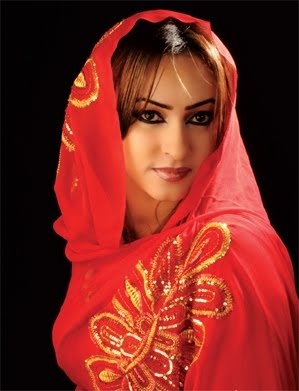
Rasha in traditional Sudanese Toub
venerdì 30 settembre 2011
Sudan Association Italy: Sudan is vanishing now the Sudanese pound also is ...
Sudan Association Italy: Sudan is vanishing now the Sudanese pound also is ...: Khartoum: Abdul Rauf Abdul Hamid Abdul Baqi President of the Union ATM yesterday, said that the supply of the dollar against the demand wh...


Sudan is vanishing now the Sudanese pound also is getting down.

Khartoum: Abdul Rauf
Abdul Hamid Abdul Baqi President of the Union ATM yesterday, said that the supply of the dollar against the demand which has increased a little of the difference, and called for the launch of freedom in the parallel market and allow banks and exchanges to reduce the difference and put the exchange rate mechanism.
The dollar jumped in the parallel market yesterday to (4.8) pounds in Khartoum, arrived in U.S.'s (5) pounds.
Public opinion
Khartoum: Abdul Rauf
Abdul Hamid Abdul Baqi Presidente della ATM dell'Unione di ieri, ha detto che la fornitura del dollaro nei confronti della domanda che ha aumentato un po 'di differenza, e chiamato per il lancio di libertà nel mercato parallelo e permettono alle banche e agli scambi di ridurre la differenza e mettere il meccanismo di cambio.
Il dollaro saltato nel mercato parallelo ieri (4,8) libra a Khartoum, è arrivato negli Stati Uniti 's (5) libbre.
opinione pubblica
giovedì 29 settembre 2011
We will fight for victory ... until the last man.


Bashir: Sudan will not repeat the experience of negotiating with the South with other rebels
President Omar al-Bashir said Wednesday that the Sudanese government "will not negotiate with the rebels, and expected protocols" under UN supervision, similar to the agreement with southern rebels which has led to the secession of southern Sudan.
The agency quoted the official SUNA news for the Sudanese president as saying during a visit to a rural area in Gedaref State (East), that Sudan "will not accept a repetition of the experience of the imposition of the signing of the protocols under the supervision of the United Nations."
Indicates that al-Bashir to the negotiations between the north and south Sudan that led to the signing of the Comprehensive Peace Agreement 2005 and led to the secession of southern Sudan.
The president said that the Sudanese government "will not negotiate with outlaws in the outside."
He added that "it wanted peace to return to it directly, especially in our areas to negotiate through the legislative assemblies and parliament, parties and private gatherings."
And there are confrontations between the government of Sudan and the rebels belonging to the group popular in northern Sudan and Southern Kordofan and Blue Nile.
Two weeks ago, launched by the Prime Minister of Ethiopia Meles Zenawi initiative to resolve the conflict in the two regions.
Bashir said "will resolve the insurgency and the outlaws in the country and to hold perpetrators of crimes against citizens and the violators of human rights according to law."
Italiano
Bashir: il Sudan non ripeterà l'esperienza di negoziare con il Sud con altri ribelli
Il presidente Omar al-Bashir ha detto Mercoledì che il governo sudanese "non negoziare con i ribelli, e protocolli attesi" sotto l'egida dell'ONU, simile all'accordo con i ribelli del sud che ha portato alla secessione del sud Sudan.
L'agenzia ha citato la notizia ufficiale SUNA per il presidente sudanese per aver detto durante una visita ad una zona rurale a Gedaref Stato (Est), che il Sudan "non accetterà una ripetizione dell'esperienza del l'imposizione della firma dei protocolli sotto la supervisione delle Nazioni Unite".
Indica che al-Bashir per i negoziati tra il nord e il sud del Sudan che ha portato alla firma del Comprehensive Peace Agreement del 2005 e ha portato alla secessione del sud Sudan.
Il presidente ha detto che il governo sudanese "non negozierà con fuorilegge nella parte esterna."
Egli ha aggiunto che "voleva la pace per tornare direttamente, soprattutto nelle nostre aree di negoziare attraverso le assemblee legislative e del parlamento, feste e incontri privati."
E ci sono scontri tra il governo del Sudan ei ribelli appartenenti al gruppo popolare nel nord del Sudan e del Sud Kordofan e Blue Nile.
Due settimane fa, ha lanciato dal primo ministro dell'Etiopia Meles Zenawi iniziativa per risolvere il conflitto nelle due regioni.
Bashir ha detto "si risolverà l'insurrezione e il fuorilegge nel paese e di tenere gli autori di crimini contro i cittadini e i violatori dei diritti umani in base alla legge".
mercoledì 28 settembre 2011
Fine e disntegrazione del Sudan.

Death of the Sudan........................azim
الرئيس البشير متمسك بمحاربة المارقين في النيل الازرق وكردفان
تعهد الرئيس عمر البشير، بعدم التفريط في مصلحة الوطن العليا، قائلاً "لا مساومة في أمن المواطن".، وشدد على عدم التهاون مع أي "خائن مارق"، وحث أبناء النيل الأزرق وجنوب كردفان على عدم الانخداع بـ"المارقين".
وقال البشير لدى مخاطبته امس، احتفال تخريج دورتي الدفاع الوطني رقم (23) والحرب العليا رقم (11)، إنه "لا تهاون مع خائن مارق لأن السودان تحرسه أياد قوية ونفوس أبية وجيش لا يعرف التراجع والانهزام".
وأضاف الرئيس البشير: "نقول لأبنائنا في جنوب كردفان والنيل الأزرق نحن لم نتراجع خطوة عن الترتيبات الأمنية بل نفتح الباب على مصراعيه لكل عائد يريد أن يشارك في البناء والنماء".
"ودعا البشير، أبناء الولايتين إلى العودة للبناء والنماء بوضع السلاح فوراً، وقال: "نحن لا نقر بجيشين في بلد واحد"، مؤكداً أن الدستور والممارسة السياسية تنص على عدم قيام جيوش للأحزاب السياسية، بجانب الإقرار بنتائج الانتخابات والإجراءات التي تمت، إضافة إلى إكمال المشورة الشعبية، حسب اتفاقية السلام.
وقال إنه رغم عدم وجود نص في اتفاقية السلام الشامل يلزم الدولة باستيعاب أفراد قوات الحركة الشعبية من أبناء ولايتي النيل الأزرق وجنوب كردفان إلا أن الدولة قررت إجراء عملية الدمج وإعادة التسريح (DDR) لأفراد الحركة الشعبية السابقين واستيعاب المؤهلين بالقوات النظامية.
وأوضح أن خطة الحكومة ماضية في ترتيب وتجهيز بيئة العمل المناسبة بكل الوحدات العسكرية لتطوير القوات المسلحة إعداداً وتأهيلاً، إيماناً بأن الشعوب تسير خلف الجيوش.
وتواجه الحكومة السودانية تمردا تقوده الحركة الشعبية في الشمال في ولايتي جنوب كردفان والنيل الأزرق منذ شهر يونيو في الاولي وسبتمبر في الثانية وقد ادي هذا الوضع إلى تدهور في الوضع الإنساني في المنطقتين وفرار الاف من اللاجئين إلى الدول المجاور
وقالت الأمم المتحدة إن أكثر من 25 ألف شخص فروا من العنف الدائر في منطقة النيل الأزرق بالسودان هذا الشهر في ظل تصاعد المخاوف بشأن اندلاع حرب أهلية .
وقالت مفوضية اللاجئين التابعة للامم المتحدة في بيان امس " نتوقع استمرار العدد في التزايد ". وتستعد المفوضية لفرار عشرة آلاف شخص آخرين إلى أثيوبيا.
وأضافت الوكالة مشيرة إلى التقارير الأخيرة التي تفيد بوقوع مزيد من الهجمات الجوية " معظم الذين يهربون أسر تحمل متعلقاتها كما أنهم يحضرون ماشيتهم معهم ". واعتبر جيش شمال السودان مسئولا عن الهجمات الجوية السابقة حيث أنه يخوض قتالا ضد الميلشيات الموالية لحركة تحرير السودان التي تهيمن على الجنوب الذي استقل حديثا.
President al-Bashir is sticking to fight rogues in the Blue Nile and Kordofan
President Omar al-Bashir has vowed not to forfeit the higher interest of the country, saying "I do not compromise the security of the citizen.", And stressed the lack of tolerance for any "rogue traitor" and urged the people of Blue Nile and South Kordofan, not to be fooled by the "renegades."
Bashir said in his address yesterday, celebrate the graduation of the two sessions of the National Defense No. (23) and higher number of war (11), there was "no compromise with the traitor rogue because Sudan is guarded by strong hands and souls of his father and the army does not know retreat and defeatism."
President Bashir said: "We say to our children in South Kordofan and Blue Nile We did not back down, step on the security arrangements but we open the door for each return he wants to participate in the construction and development."
"He called al-Bashir, the sons of the two states to return to the building and development put the weapon immediately, and said:" We do not recognize the armies in one country, "stressing that the constitution and political practice provides for the failure of the armies of the political parties, along with recognition of the election results and procedures that were, in addition to the completion of popular consultation, as the peace agreement.
He said that although there is no provision in the CPA requires the State to absorb the forces of the SPLM from the sons of the states of Blue Nile and South Kordofan, the state decided to make the process of integration and demobilization (DDR) for members of the SPLM and former absorb qualified forces of order.
He explained that the government's plan continues to processing the order and appropriate working environment with all the military units for the development of the armed forces prepared and qualified, in the belief that people are going behind the armies.
The government faces a rebellion led by the Sudanese People's Movement in the north in the states of South Kordofan and Blue Nile since June in the first and the second September in this situation has led to a deterioration in the humanitarian situation in the two regions and the flight of thousands of refugees to neighboring countries
The United Nations said that more than 25 thousand people have fled the violence in Sudan's Blue Nile region this month, amid growing fears about the outbreak of civil war.
She said the UNHCR, the UN said in a statement yesterday, "We expect continued increase in the number." The Commission is preparing to flight ten thousand more people to Ethiopia.
The agency said, citing recent reports that indicate the occurrence of further air attacks "Most of the fleeing families with Accessories and they bring their livestock with them." He said Sudan's northern army responsible for the earlier air strikes in that it engaged in a fight against militias loyal to the Sudan Liberation Movement, which dominates the south, which took recently.
Italian
Il presidente al-Bashir è attaccare per combattere i ladri nel Nilo Blu e Kordofan
Il presidente Omar al-Bashir ha promesso di non perdere il superiore interesse del paese, dicendo: "Io non compromettere la sicurezza dei cittadini.", E sottolineato la mancanza di tolleranza per qualsiasi "traditore canaglia" e ha esortato il popolo del Nilo Azzurro e del Sud Kordofan, non fatevi ingannare dal "rinnegati".
Bashir ha detto nel suo discorso di ieri, celebrare la graduazione delle due sessioni della Difesa Nazionale n ° (23) e maggior numero di guerra (11), non c'era "nessun compromesso con il ladro traditore perché il Sudan è custodito da mani forti e le anime del padre e l'esercito non sa ritirata e disfattismo."
Il presidente Bashir ha affermato: "Noi diciamo ai nostri bambini nel Sud Kordofan e Blue Nile Non ci siamo indietro, passo sulle modalità di sicurezza, ma apriamo la porta per ogni scheda che vuole partecipare alla costruzione e sviluppo".
"Ha chiamato al-Bashir, i figli dei due Stati per tornare alla costruzione e sviluppo messo il arma immediatamente, e ha detto:" Noi non riconosciamo l'esercito in un solo paese ", sottolineando che la pratica costituzione e politica prevede il fallimento degli eserciti dei partiti politici, insieme con il riconoscimento dei risultati elettorali e le procedure che sono state, oltre al completamento del consultazione popolare, come l'accordo di pace.
Ha detto che anche se non c'è nessuna disposizione della CPA impone allo Stato di assorbire le forze del SPLM dai figli degli stati del Nilo Azzurro e del Sud Kordofan, lo stato ha deciso di rendere il processo di integrazione e di smobilitazione (DDR) per i membri del SPLM ed ex forze assorbire qualificato dell'ordine.
Ha spiegato che il piano del governo continua a lavorazione dell'ordine e adeguato ambiente di lavoro con tutte le unità militari per lo sviluppo delle forze armate preparato e qualificato, nella convinzione che la gente va dietro gli eserciti.
lunedì 23 maggio 2011
Home news -SUDAN.
Home News: The Golden Tree
Posted on Monday, May 23
Gum –Arabic, known as gum acacia, chaar und, char ground or meska, is natural gum made of hardened sap taken from two species of the acacia tree, acacia Senegal and acacia seyal.
The gum is harvested commercially from mild trees throughout the Sahel from Senegal to Sudan to Somalia. Gum-Arabic is a complex mixture of polysaccharides and glycoproteins that is used primarily in the food industry as stabilizer.
Gum-Arabic production:-
Gum-Arabic from the Sudan is a product of Acacia Senegal and seyal species. Senegal is the only variety which grows in Sudn and is the main source of commercial gum-Arabic (hashab).
Production of gum-Arabic is concentrated in the ‘gum belt” an areas of central Sudan roughly between latitudes 10 degrees and 14 degree North. Two areas outside these borders are in the northeast, (Faw-Gedarif-Kassala) and in the south east along the Blue Nile, Upper Nile Border.
Management aspects:-
Gum hashab in Sudan is derived from both natural stands and plantations and collected by tapping of the trees. Gum talha, on the other hand, comes mostly from natural stands and through natural exudation. Management of the resources for gum production falls into one of the two systems, hashab owner and hashab renter.
The General Manager of Sudan’s largest exporter of gum-Arabic, the Gum Arabic Company said the botanist who identified Acacia Senegal first saw it in Senegal, but it turned out to be Acacia Senegal is more common in Sudan than anywhere in the best. But extracting Gum-Arabic from thorn – covered Acacia Senegal trees is not easy. When the amber-coloured gum begins bubbling up, farm workers handpick chunks from the trees and sometimes get scratched in the process.
The General Manager of Gum Arabic Company stated that still Sudan reportedly exports tens of thousands of tons of raw gum-Arabic each year, feeding the high global demand. The raw sap is sent to Europe for processing and afterward is disseminated to customers worldwide.
Some Sudanese businessmen believe that widening gum-Arabic appeal internationally is the way forward.
Isam Siddiq runs the privately-owned Dar Savannah Gum Arabic Processing Company. He said manufacturers around the world are trying to create manmade emulsifiers as powerful as gum-Arabic.
Italiano
Home Notizie: L'Albero d'Oro
Pubblicato il Lunedi, 23 May
Gomma arabica, nota come gomma di acacia, und Chaar, terra char o meska, è la gomma naturale acciaio temprato linfa prelevati da due specie di albero di acacia, acacia Senegal e seyal acacia.
La gomma viene raccolta dagli alberi commercialmente mite durante tutto il Sahel, dal Senegal al Sudan alla Somalia. Gomma arabica è una miscela complessa di polisaccaridi e glicoproteine che viene utilizzato soprattutto nell'industria alimentare come stabilizzante.
Gomma arabica produzione: -
Gum-arabo del Sudan è un prodotto di Acacia Senegal e specie seyal. Il Senegal è l'unica varietà che cresce in Sudn ed è la principale fonte di commerciale gomma arabica (hashab).
Produzione di gomma arabica è concentrata nella 'cintura gum "sulle aree del Sudan centrale all'incirca tra le latitudini di 10 gradi e 14 gradi Nord. Due aree di fuori di questi confini sono a nord-est, (Faw-Gedarif-Kassala) e nel sud-est lungo il Nilo Azzurro, Upper Nile Border.
aspetti gestionali: -
hashab Gum in Sudan deriva sia da popolamenti naturali e le piantagioni e raccolti toccando degli alberi. Talha Gum, d'altra parte, provengono in massima parte da soprassuoli naturali e attraverso l'essudazione naturale. Gestione delle risorse per la produzione di gomma cade in uno dei due sistemi, proprietario e affittuario hashab hashab.
Il Direttore Generale della più grande esportatore del Sudan di gomma arabica, gomma arabica la società ha detto il botanico che ha identificato Acacia Senegal prima lo vide in Senegal, ma si rivelò essere Acacia Senegal è più comune in Sudan che in tutto il meglio. Ma l'estrazione di gomma arabica da Thorn - coperto alberi Acacia Senegal non è facile. Quando la gomma color ambra ha inizio zampillante, lavoratori agricoli handpick pezzi dagli alberi e, a volte graffiata nel processo.
Il Direttore Generale di gomma arabica società ha dichiarato che ancora Sudan esportazioni riferito, decine di migliaia di tonnellate di greggio gomma arabica ogni anno, alimentando il forte domanda globale. Le prime linfa viene inviato in Europa per la lavorazione e poi comunicate ai clienti di tutto il mondo.
Alcuni uomini d'affari sudanese credere che l'allargamento appello gomma arabica è la via da seguire a livello internazionale.
Isam Siddiq gestisce la proprietà privata Dar Savannah gomma arabica Processing Company. Ha detto che i produttori in tutto il mondo stanno cercando di creare emulsionanti artificiali potente come gomma arabica.
New! Click the words above to view alternate translations. Dismiss
venerdì 20 maggio 2011
WATER............PROBLEM IN DARFUR.

Darfur: International Conference on Water for Sustainable Peace in Darfur (2-2)
Climate change create tensions between water users in rural areas
The Darfur International Conference on Water for Sustainable Peace is a joint initiative of the United Nations Country Team in Sudan, the United Nations African Union - Assistance Mission in Darfur (UNAMID) and the Government of Sudan.
On 27-28 June 2011, more than 200 experts in water use and distribution will join leading economists, development specialists and donors in Khartoum for the first major international effort to build an innovative and sustainable water service system for all communities in Darfur. Over two days, Conference participants will discuss ways and means of identifying the challenges facing the water sector, and mobilizing the financial resources needed to meet them
Seeking $1 billion for a six-year series of projects, the Darfur International Conference on Water for Sustainable Peace will launch a concrete plan that contributes to peace and reconciliation through the restoration and equitable use of Darfur’s natural resources.
In the 2007 Post Conflict Environmental Assessment (UNEP), the need for IWRM was again stressed and UNICEF and UNEP have been engaged in an IWRM programme with the Ministry of Irrigation and Water Resources since 2009. Part of this work included two successful study tours to the Republic of South Africa to review how South Africa has implemented IWRM in the post-apartheid era, to promote inclusivity and sustainability of water resource management. These tours have resulted in the development of a shared vision on IWRM with stakeholders from Khartoum and Darfur. IWRM therefore, becomes the practical operating approach that should be followed in Darfur where competition over natural resources is apparent.
Water, Sanitation and Hygiene (WASH): Since 2003 conflict, most of water and sanitation facilities in rural areas were damaged either during the conflict or deteriorated due to lack of operation and maintenance support from Locality Authorities and State Water Corporation,
Italiano
Darfur: conferenza internazionale sull'acqua per una pace sostenibile nel Darfur (2-2)
Il cambiamento climatico creare tensioni tra gli utenti idrico nelle zone rurali
La Conferenza internazionale sul Darfur Acqua per la Pace Sostenibile è un'iniziativa congiunta delle Nazioni Unite Country Team in Sudan, le Nazioni Unite, Unione africana - Missione di assistenza in Darfur (UNAMID) e il governo del Sudan.
Il 27-28 giugno 2011, oltre 200 esperti in uso e la distribuzione dell'acqua si uniranno importanti economisti, esperti di sviluppo e dei donatori a Khartoum per il primo grande impegno internazionale per costruire un innovativo e sostenibile sistema di servizio idrico per tutte le comunità del Darfur. Nel corso di due giorni, i partecipanti si tratterà di modi e mezzi per individuare le sfide che attendono il settore idrico, e mobilitare le risorse finanziarie necessarie per farvi fronte
Cerco $ 1 miliardo per una serie di sei anni di progetti, la Conferenza internazionale sul Darfur Water for Sustainable Peace lancerà un piano concreto che contribuisce alla pace e la riconciliazione attraverso il restauro e l'uso equo delle risorse naturali del Darfur.
Nel post-2007 Conflict Environmental Assessment (UNEP), la necessità di IWRM è stata ribadita e l'UNICEF e l'UNEP sono stati impegnati in un programma GIRI con il Ministero delle Risorse irrigazione e acqua dal 2009. Parte di questo lavoro comprendeva due visite di studio di successo per la Repubblica del Sud Africa per esaminare come il Sud Africa ha implementato IWRM nell'era post-apartheid, di promuovere la partecipazione e la sostenibilità della gestione delle risorse idriche. Questi tour hanno portato allo sviluppo di una visione condivisa su GIRI con le parti interessate da Khartoum e il Darfur. IWRM quindi, diventa l'approccio pratico operativo che dovrebbe essere seguita in Darfur dove la competizione per le risorse naturali è evidente.
Acqua e servizi igienici (WASH): Dal 2003 conflitto, la maggior parte di acqua e servizi igienici nelle aree rurali sono state danneggiate, sia durante il conflitto o deteriorata a causa della mancanza di gestione e supporto di manutenzione da Località Autorità e Stato Water Corporation,
martedì 17 maggio 2011
A top Sudanese woman.

Naima Baqir corrispondente Sudan per commentare le proteste in Sudan
Video: Naima Baqir commento Contatta sudanese sulle proteste in Sudan è stato nominato per tre premi nei primi anni di lavoro in televisione, ha iniziato i suoi lavori in Sudan nel 2002 come reporter per la Reuters, per poi entrare nel canale di Moore Four News, gli inglesi e ha vinto una reporter TV Internazionale del 2008 per il suo lavoro in Somalia.. . nel 2011, ha aderito alla rete CNN International
English
Naima Baqir Sudan correspondent to comment on the protests in Sudan
Video: Naima Baqir Contact Sudanese comment on the protests in the Sudan was nominated for three awards in the first years in television work, began its work in Sudan in 2002 as a reporter for Reuters, and then joined the Canal Moore Four News, the British. And won a TV reporter the 2008 International for its work in Somalia. . in 2011, joined the network CNN International
Iscriviti a:
Post (Atom)